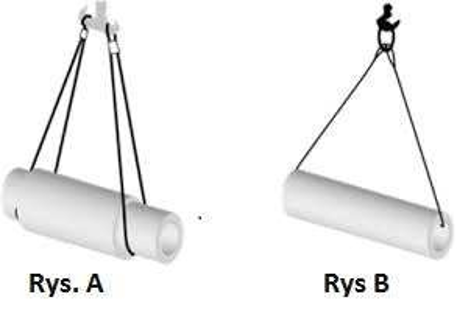
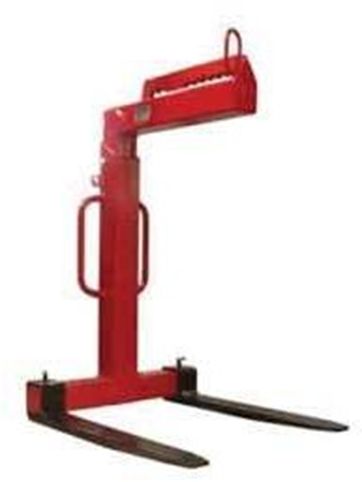
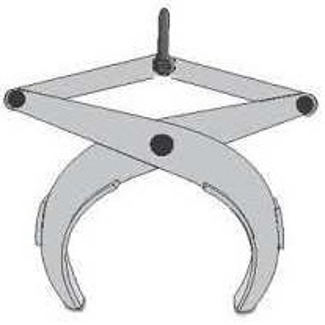
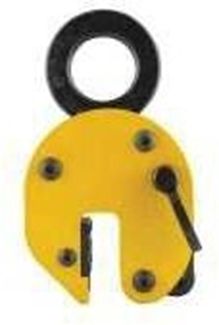
Exam questions on the operation of technical equipment: overhead cranes, hoists and hoists of general purpose.
WYNIK
#1. Technical equipment under technical supervision may be operated on the basis of:
#2. Which of the listed activities are not part of the responsibilities of the UTB operator:
#3. Timing of maintenance inspections of technical equipment:
#4. Technical supervision is called:
#5. Technical supervision of technical equipment is performed:
#6. A change in technical parameters or a change in the design of a technical device is treated as:
#7. The agreed repair or upgrade of technical equipment can be performed:
#8. The Law on Technical Supervision defines the following forms of technical supervision:
#9. A decision authorizing the operation of a technical device shall be issued:
#10. An operator of a technical device may undertake work when:
#11. An operator of a technical device may undertake work when:
#12. If the operator fails to comply with the regulations on technical supervision, the operator:
#13. If a threat to human life or health and property and the environment is found, the inspector:
#14. In case of dangerous damage to a technical device or an accident, the operator:
#15. The qualification certificate for service may be revoked by:
#16. Technical devices not covered by technical supervision are:
#17. Technical devices covered by technical supervision are:
#18. Dangerous damage to a technical device is:
#19. An unfortunate accident is:
#20. Lifting and carrying of persons through a technical device designed exclusively for the transportation of cargo requires:
#21. Responsible for ensuring proper operation and maintenance of the technical device is:
#22. Maintenance inspections required by law are performed:
#23. The maintenance log of the technical device shall be kept:
#24. Acceptance tests are carried out for technical equipment:
#25. Periodic examinations are carried out for technical equipment under supervision:
#26. Absence of the maintainer from the examination of the technical device requires min:
#27. A candidate to operate a technical device must:
#28. The operator of a technical device is required to stop work when:
#29. The timing of maintenance inspections of the device may be specified:
#30. The dates for periodic and ad hoc inspection tests of UTBs are specified:
#31. The duty of the operator of the technical device is:
#32. The technical device can be operated on the basis of:
#33. After the activities performed on the technical device, the inspector shall draw up:
#34. Repair and modernization of a technical device is performed:
#35. Directly responsible for the safe operation of the technical device is:
#36. Information on the principles of safe operation of the device is contained in:
#37. As part of the pre-work activities, the operator:
#38. Qualification certificates for the operation of technical equipment subject to technical supervision are issued:
#39. Overloading the UTB during operation:
#40. Ad hoc in-service testing is performed, among other things:
#41. The duties of the attendant are specified:
#42. Periodic testing of the technical device is carried out by:
#43. The unit of technical supervision is:
#44. Qualification certificates for operating technical equipment are valid in the territory:
#45. The obligation of operators of technical equipment to use personal protective equipment results from:
#46. According to the Decree of the Council of Ministers on the types of technical equipment subject to technical supervision, technical supervision regulations are subject to:
#47. Operating instructions may not include:
#48. The device’s audit book must include:
#49. Decision issued by UDT:
#50. A person may take the qualification examination; who:
#51. After completing the technical examination with a positive result, the UDT inspector:
#52. Qualification certificates:
#53. Making modifications to a technical device without agreement with the authority of the competent technical supervision unit:
#54. Who allows the operation of a technical device without a valid decision authorizing its operation:
#55. The operating instructions are:
#56. Qualification certificates for service are not required:
#57. A person with qualification certificates can operate:
#58. The duty of the operator of the technical device is:
#59. Qualification certificate to operate technical equipment are:
#60. An attendant who witnesses an accident has a duty:
#61. The attendant is not allowed:
#62. The forms of technical supervision are:
#63. Lifting people with devices that are designed and made exclusively for lifting loads:
#64. Lifting loads with two or more UTBs:
#65. The residence of persons under the load being carried is:
#66. Carrying loads over people is:
#67. Qualification certificates for the operation of technical equipment subject to technical supervision are issued:
#68. The examination committee shall notify the person concerned of the result of the examination:
#69. A maintenance log should be kept:
#70. Position manual:
#71. After the expiration of the qualification certificate to operate the equipment operator:
#72. Renewal of the qualification certificate is carried out:
#73. The lifting capacity of a UTB is a device parameter directly related to:
#74. The net weight of 1,000 liters of water is approx:
#75. The weight of a cargo consisting of 40 packages of 25 kg each is:
#76. The weight of 60 cartons of 20 kg each is:
#77. The weight of the load to be lifted can be determined by:
#78. Information on the lifting capacity of the device can be included:
#79. The correct term for the lifting unit is:
#80. Gantry link:
#81. The stopgaps are:
#82. The scrapers are:
#83. The rail tongs are:
#84. What are the differences between a hoist and a winch?
#85. The electrical safety devices used in the construction of overhead cranes are:
#86. Mechanical safeguards used in the construction of cranes are:
#87. What element of the load-bearing structure connects the faceplates?
#88. Where are the thrust paws mounted?
#89. How many rope clamping elements should be mounted on the rope drum?
#90. The main switch should not disconnect circuits:
#91. The main components of the overhead crane support structure are:
#92. What is the zero lock used for?
#93. Brakes should be used in the lifting mechanisms of general-purpose cranes:
#94. STOP Switch:
#95. “Gantry link” should be located:
#96. Mechanical type safety elements are:
#97. Which of the following are mechanical type safeguards?
#98. Unless otherwise specified by the manufacturer; how much is the allowable abrasion of the hook throat of a general purpose crane?
#99. Unless otherwise specified by the manufacturer, how much is the allowable opening of the hook throat?
#100. What kind of mechanical safety features are on the faceplate?
#101. Unless otherwise specified by the manufacturer, how much is the permissible reduction in rope diameter due to abrasion of the outer layer of wires?
#102. Should every overhead crane operating outdoors be equipped with a wind meter?
#103. Should any overhead crane operating outdoors be equipped with wind ticks?
#104. Does every overhead crane controlled from the cab have to have a zero lock?
#105. The “STOP” safety switch is used to:
#106. The crane buffers are:
#107. A complete check of the lifting mechanism brake consists of:
#108. The function of the resistance paw is:
#109. Zero locking of overhead cranes controlled from the cab prevents:
#110. What is wind protection used for?
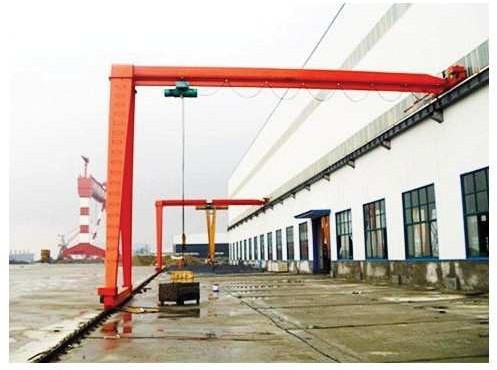
#111. The photo shows an overhead crane:
#112. Limit switch for the lifting mechanism in the “up” direction:
#113. What does the inscription on the bridge of the crane Q = 10 t + 10 t mean?
#114. What is cross locking in the control cassette?
#115. The adjusters are the components of an overhead crane used to:
#116. The mechanical travel limiter of the crane mounted on the running track is:
#117. How much is the rated capacity of the crane with the designation Q=10/3.2 t ?
#118. The tripping of the lift limiter will cause:
#119. A headboard is an element:
#120. Unless otherwise specified by the manufacturer, the limit switches of the crane travel mechanism are designed to:
#121. The STOP switch at the crane operator’s station is used to:
#122. In the case of operation of two or more cranes on a single track, electrical protection to prevent the cranes from invading each other is:
#123. The directions of travel in a radio-controlled crane should be marked:
#124. GNP stands for:
#125. Protection against the cargo falling out of the hook throat is:
#126. What color should the STOP immediate stop switch be marked with?
#127. The crane girder is:
#128. What type of hooks can be used in the block?
#129. Which overhead cranes do not require a limit switch for the lift mechanism in the up direction?
#130. Unless otherwise specified by the manufacturer, the minimum distance at which the hook block must stop, counting from the lowest elements of the crane is:
#131. The crane buffers are mounted:
#132. What is the acceptable number of visible cracks in the crane hook?
#133. The safety element installed in the lifting mechanism of cranes can be:
#134. The 8t+8t overhead crane capacity designation tells you that:
#135. The basic parameters of the hoist include:
#136. Zero lock check:
#137. When checking zero lock:
#138. Is the operator allowed to overload the crane during operation in certain situations?
#139. Can the sling be hooked to the end of the hook (on the corner of the hook)?
#140. Lifting loads through an opening in the ceiling from a lower floor:
#141. When loading a truck with an overhead crane, the vehicle driver should be:
#142. If the load is rocked, you should:
#143. A cubic meter of steel approximately weighs:
#144. A load of steel sheets with a volume of 0.5 cubic meters:
#145. In the case of lifting a large load and the presence of several hook operators giving instructions to the crane operator during this activity, it is necessary:
#146. Loads are allowed to be stored:
#147. The pneumatic gripper crane can be used for lifting:
#148. The lift mechanism brake test is negative if:
#149. Unless otherwise provided by the manufacturer, the limit switch of the lifting mechanism in the “down” direction should be set so that:
#150. An important criterion for hook wear is:
#151. Checking the limit switch of the lifting mechanism in the “up” direction is performed:
#152. The broken strand of the crane support rope causes:
#153. The following figure shows the feature:
#154. The following figure shows the feature:
#155. The following figure shows the feature:
#156. Traverse is used for:
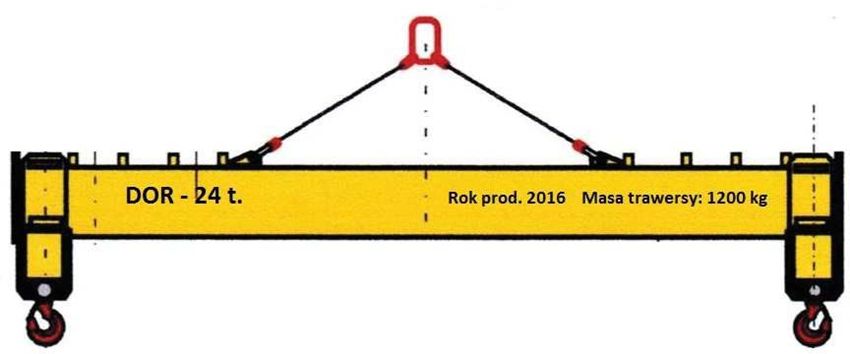
#157. The minimum lifting capacity of a crane lifting a load of 24 t using the crosshead shown is:
#158. WLL stands for:
#159. The load on the two-legged hook should be suspended:
#160. The reduction in WLL of a multi-leg sling is influenced by:
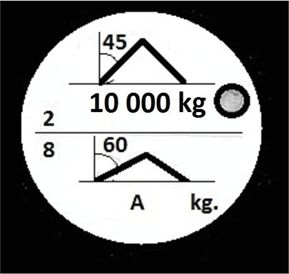
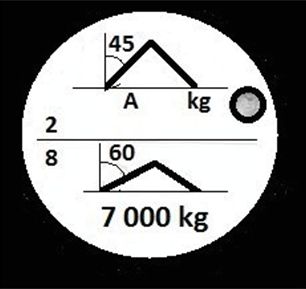
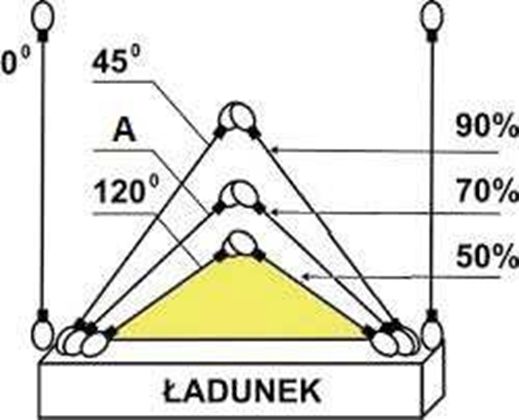
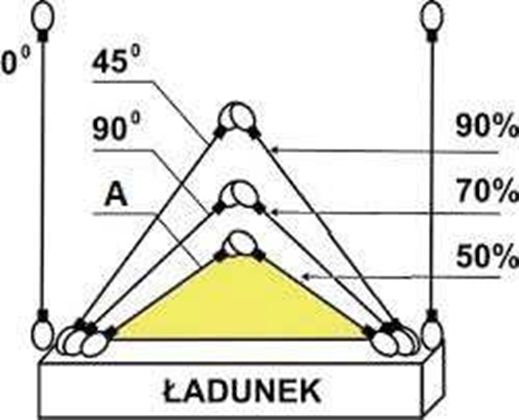
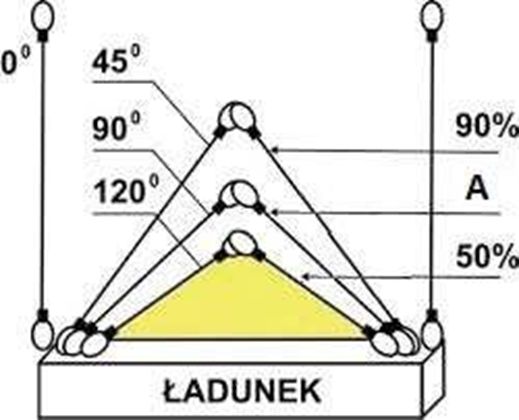
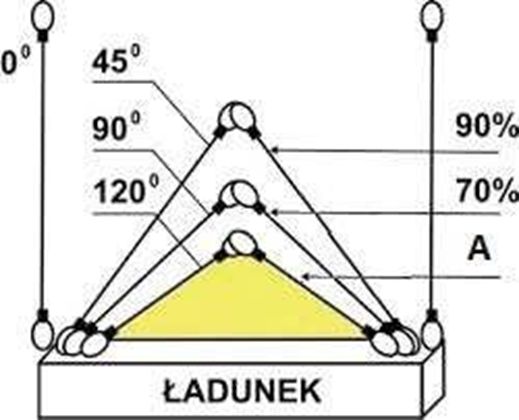
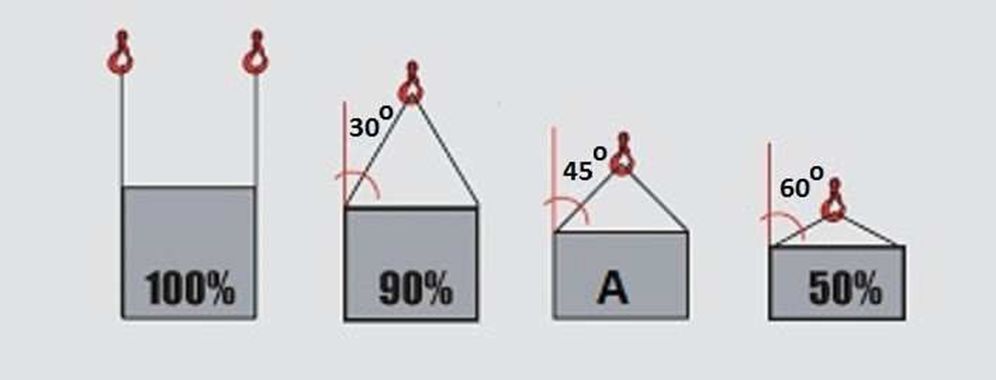
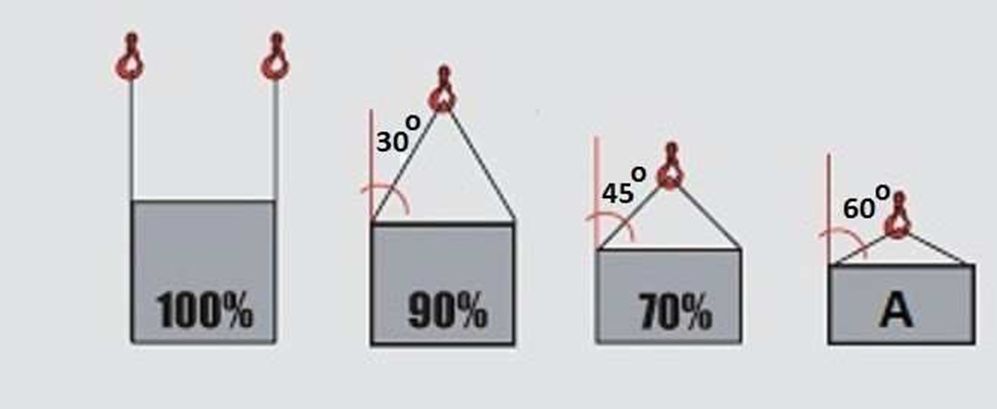
#161. Based on the figure shown, indicate the value of A for the rope sling:
#162. Based on the figure shown, indicate the value of A for the rope sling:
#163. The figure shows:
#164. Based on the figure shown, indicate the value of A (alpha angle) for a two-leg sling:
#165. Based on the figure shown, indicate the value of A (alpha angle) for a two-leg sling:
#166. Based on the figure shown, indicate the value of A (WLL based on the alpha angle) for a double-leg sling:
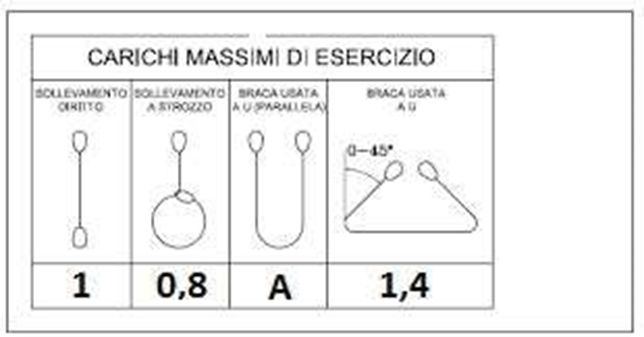
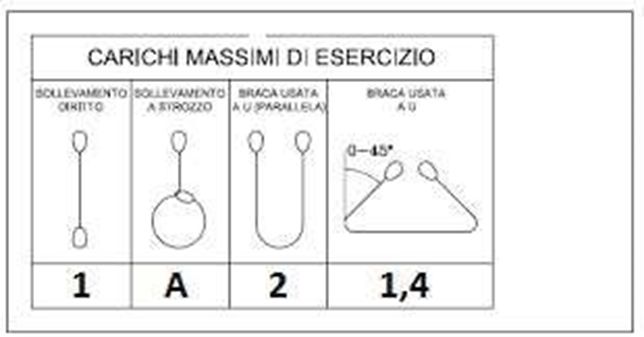
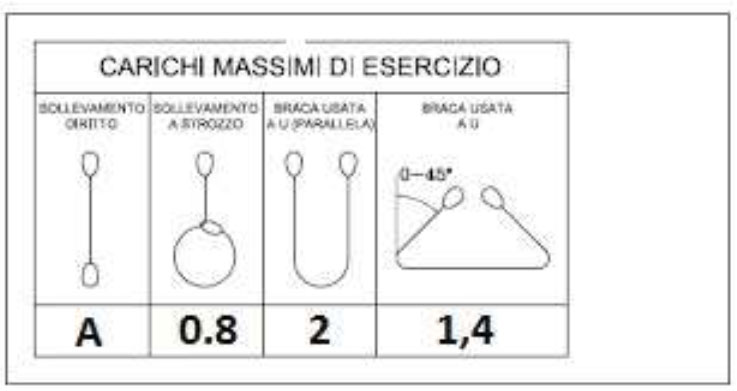
#167. Based on the figure shown, indicate the value of A (WLL based on the alpha angle) for a double-leg sling:
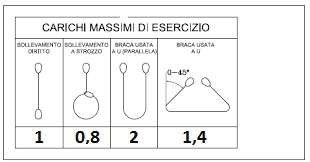
#168. Based on the figure shown, indicate the value of A (WLL based on the method of suspension ) for a belt sling:
#169. Based on the figure shown, indicate the value of A (WLL based on the method of suspension ) for a belt sling:
#170. Based on the figure shown, indicate the value of A (WLL based on the method of suspension ) for a belt sling:
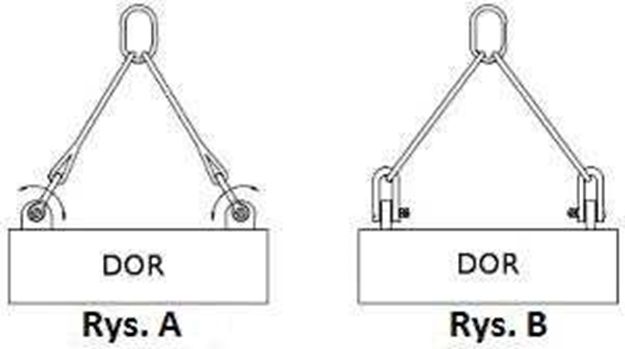
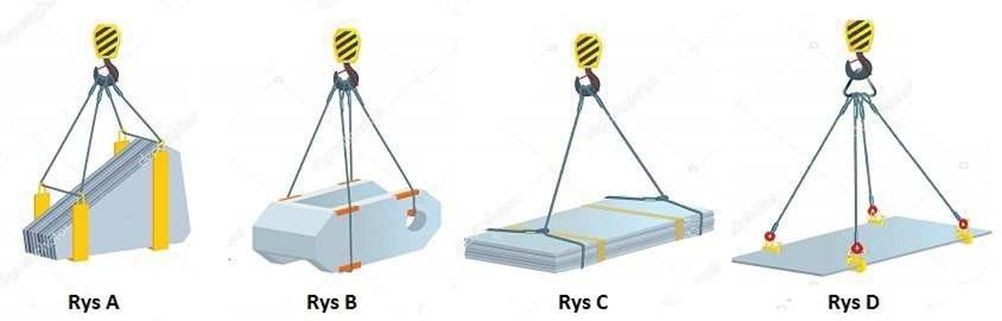
#171. Indicate which of the ways of suspending the load is correct:
#172. Indicate which is the correct way to suspend a load using a rope sling:
#173. The following figure shows:
#174. The following figure shows:
#175. The specialized sling shown in the figure is used for:
#176. The specialized sling shown in the figure is used for:
#177. The correct selection of the sling is responsible for:
#178. Slings are subject to periodic inspections at intervals:
#179. The choice of the type of sling used depends on:
#180. Before starting work, the operator is required to:
#181. The sling is:
#182. We can divide the slings:
#183. The WLL of a belt sling can be determined:
#184. Sling operation without a nameplate:
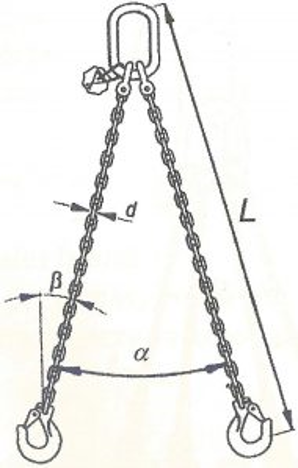
#185. Chain slings:
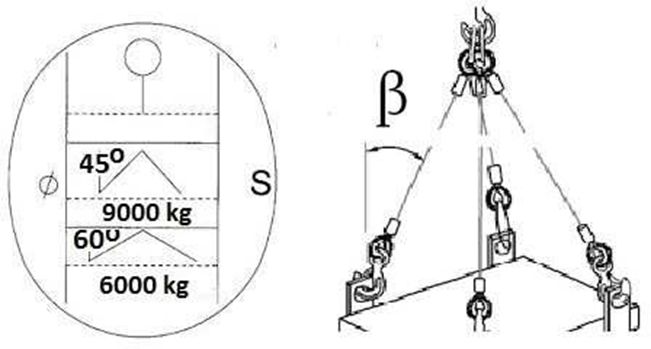
#186. The maximum allowable apex angle a used in a sling can be:
#187. The maximum angle of beta in the sling can be:
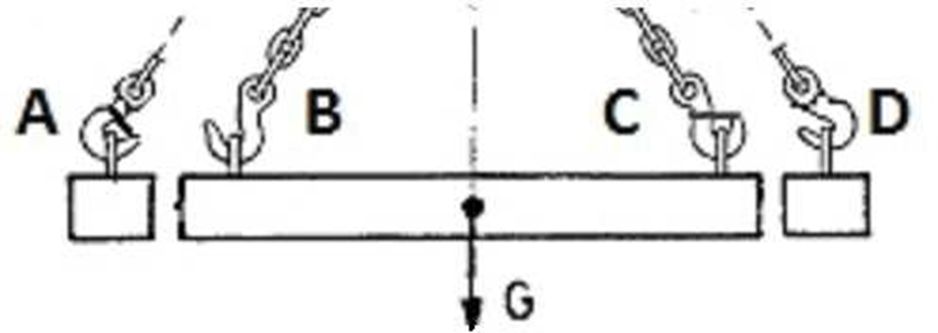
#188. Indicate which of the ways to suspend a load using a rope sling is incorrect:
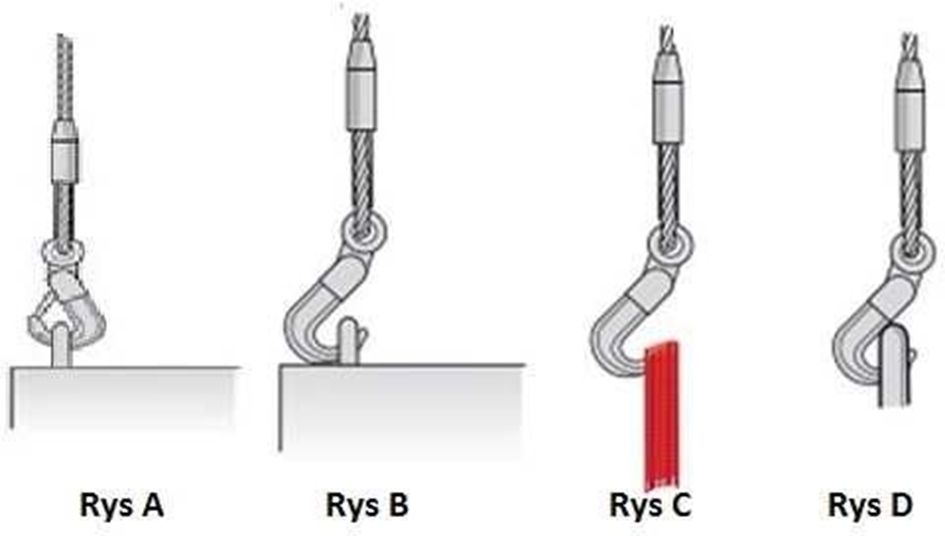
#189. Indicate which of the ways to attach the hook is correct:
#190. Indicate which of the ways of attaching the hook is incorrect:
#191. Based on the figure shown, indicate the value of A for a double-leg sling:
#192. Based on the figure shown, indicate the value of A for a double-leg sling:
#193. Unless otherwise specified by the manufacturer, the acceptable wear criteria for hooks at slings are:
#194. Unless otherwise specified by the manufacturer, the permissible number of wire breaks in a wire sling is:
#195. Which of the following defects disqualifies a cable sling from further operation?
#196. As the vertex angle alpha increases:
#197. Angles alpha and beta with respect to slings:
#198. When lifting parts that have sharp edges with a belt sling, you should:
#199. The WLL value of a multi-leg sling is:
#200. Using slings at temperatures above 100°C is:
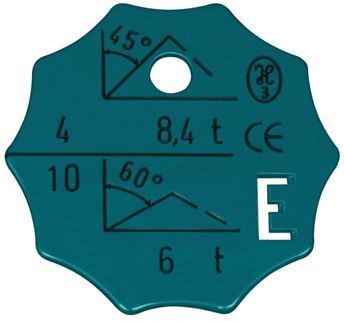
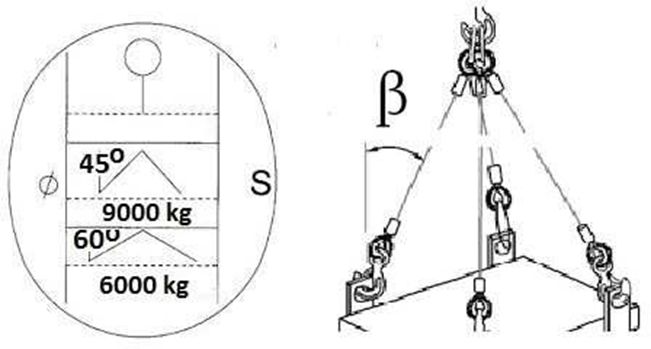
#201. The following figure shows:
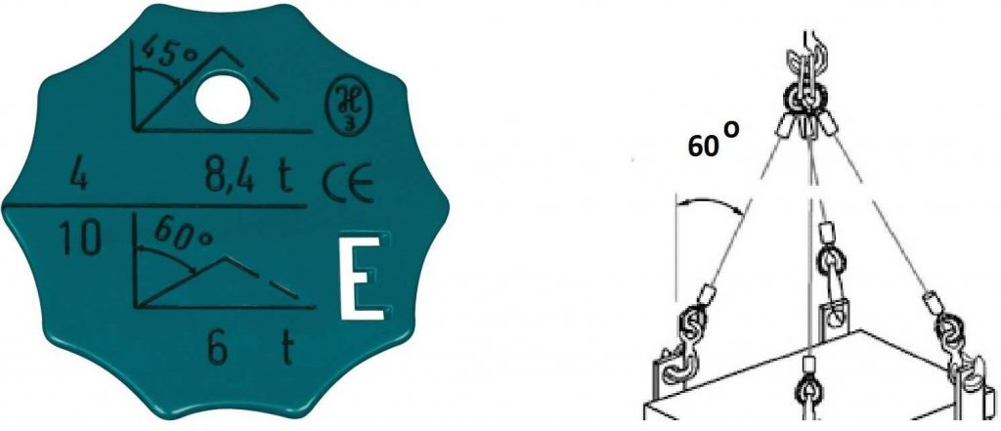
#202. The maximum WLL of the presented sling is:
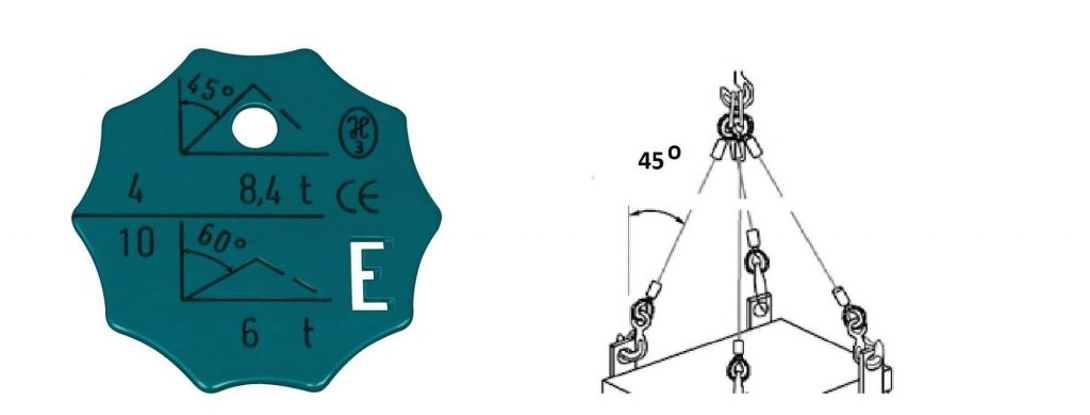
#203. The maximum WLL of the presented sling at an apex angle of 1 60° is:
#204. The maximum WLL of the presented sling at an apex angle of 1 45° is:
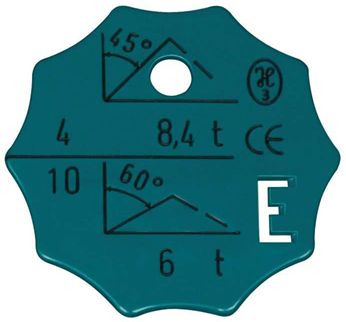
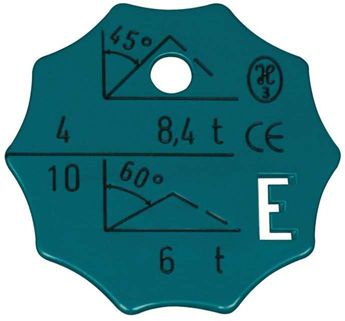
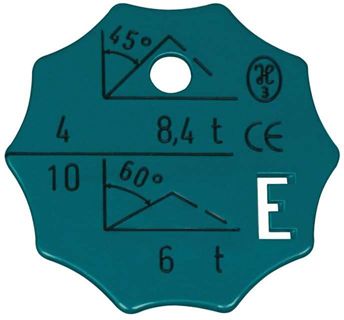
#205. Based on the drawing shown, indicate the correct way to attach the hook:
#206. The maximum weight of the load to be lifted at an angle of 1 of 55° must not exceed:
#207. The maximum weight of the load to be lifted at an angle of 1 of 40° must not exceed:
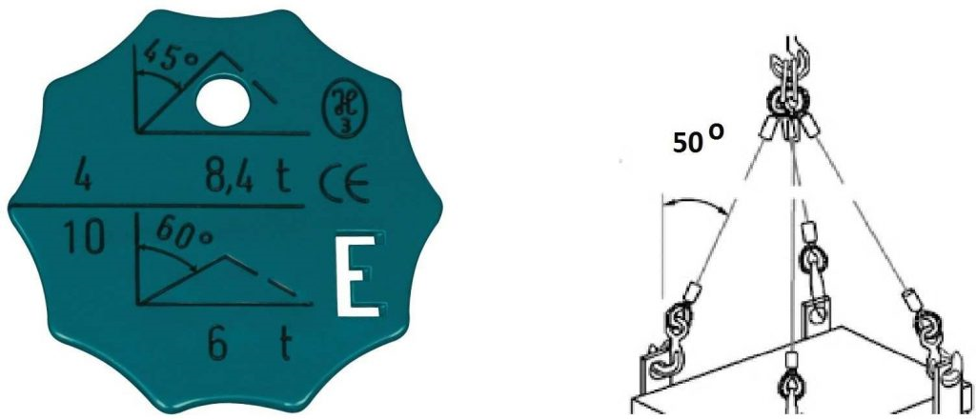
#208. The maximum weight of the load to be lifted at an angle of 1 of 50° must not exceed:
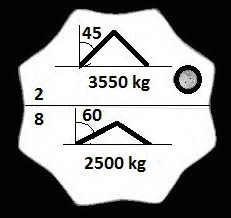
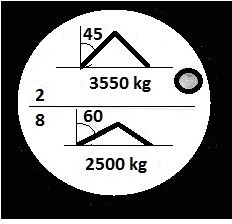
#209. The maximum weight of the load to be lifted at an angle of 1 of 65° must not exceed:
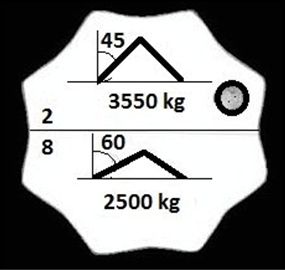
#210. Based on the figure shown, determine the maximum weight of the load that can be lifted with a 4-link sling:
#211. Based on the figure shown, determine the maximum weight of the load that can be lifted with a 4-link sling:
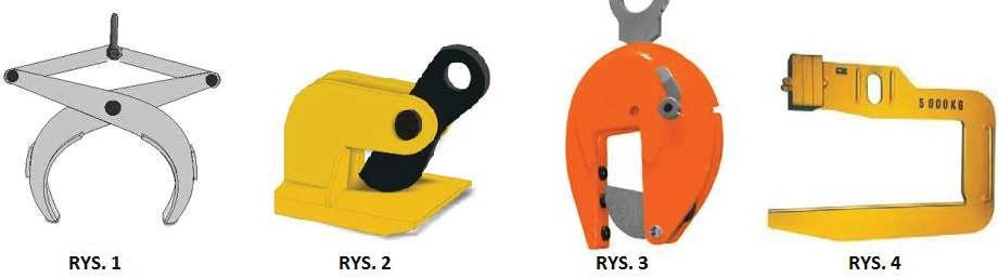
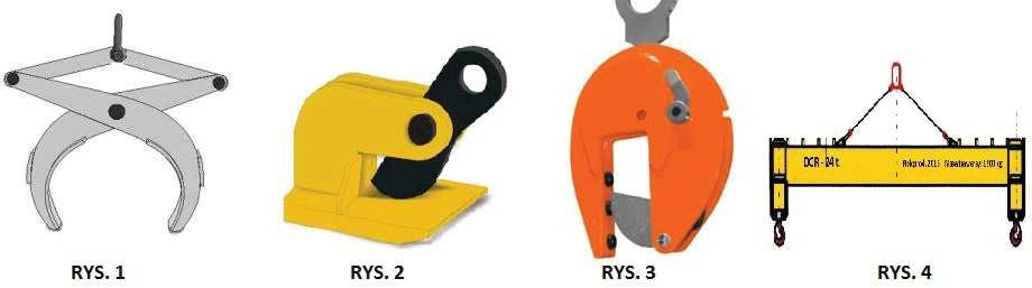
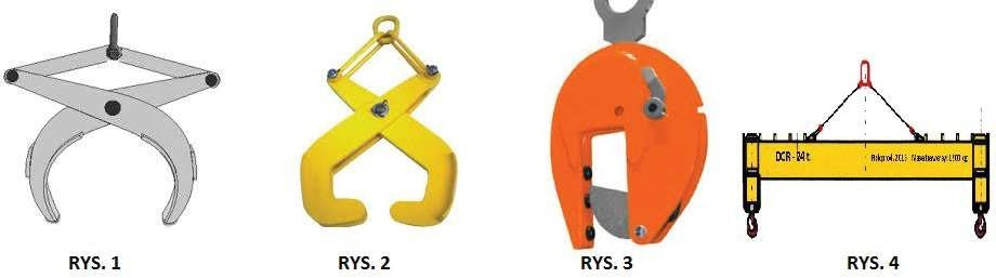
#212. Based on the figure shown, determine the maximum weight of the load that can be lifted with a 4-link sling:
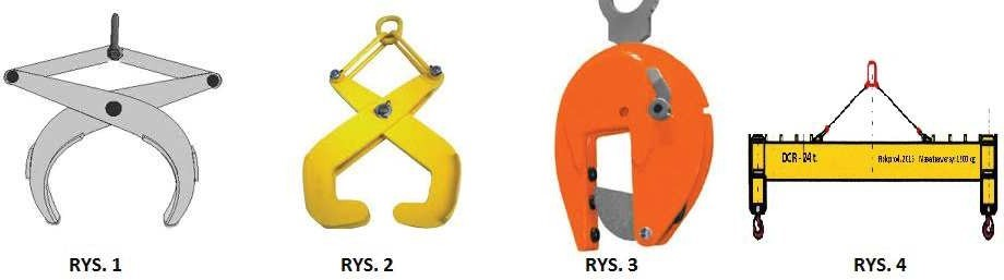
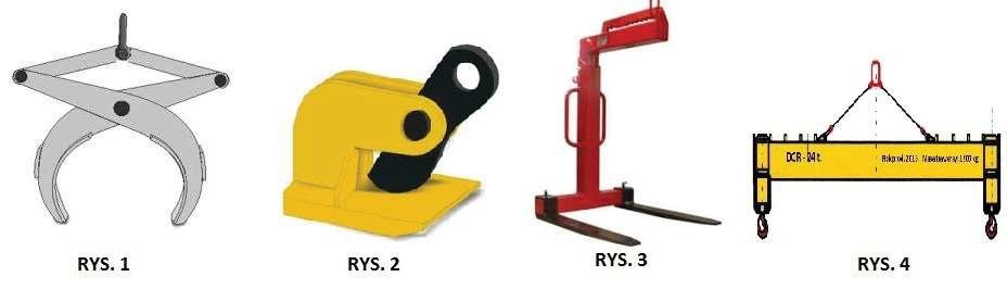
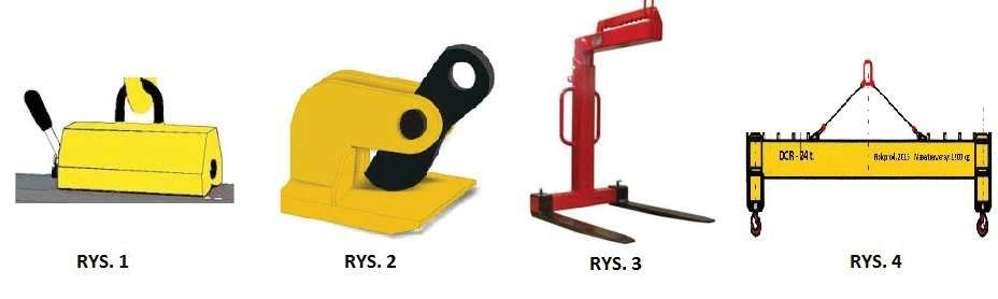
#213. Which of the shown special slings can be used to lift sheet metal in a vertical position:
#214. Which of the lifting accessories shown can be used to lift sheet metal horizontally:
#215. Which of the lifting accessories shown can be used to lift I-beam steel girders:
#216. Which of the lifting accessories shown can be used to lift steel bars of considerable length:
#217. Which of the lifting accessories shown can be used to lift loads stored on transport pallets:
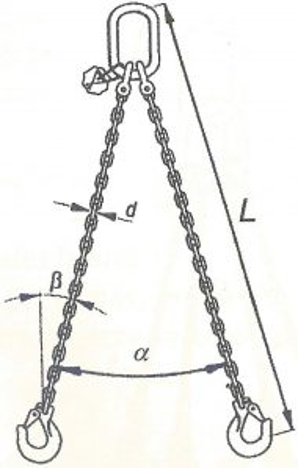
#218. Which of the lifting accessories shown can be used to lift a sheet in a horizontal position:
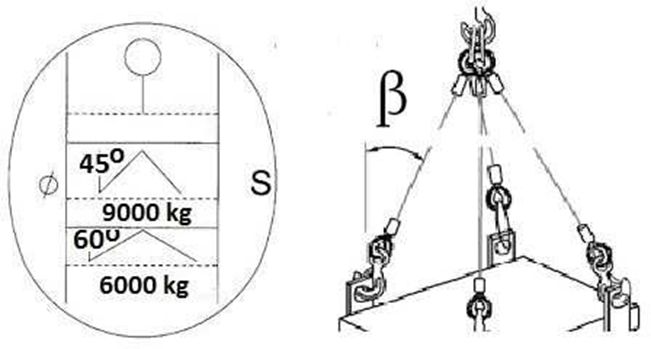
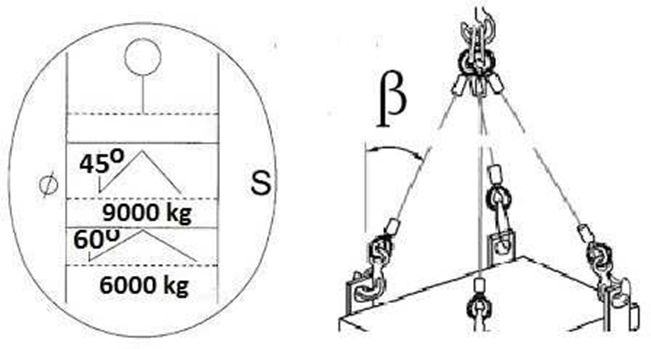
#219. In the photo below, the alpha symbol stands for:
#220. In the photo below, the beta symbol means:
#221. Which of the following conditions must absolutely comply with a sling for moving cargo:
#222. The operator, before starting work with the crane, should:
#223. In the event of failure of an overhead crane with a load on the hook, the operator should do the following:
#224. The attendant is prohibited from:
#225. Checking the operation of limit switches:
#226. The brake test is carried out:
#227. In the event that the weave in lines is squeezed out:
#228. When the crane is damaged:
#229. The test of the limit switch of the lifting mechanism in the upward direction is performed:
#230. The limiter of the working movements of the crane mechanisms is:
#231. After the work is completed, hook block :
#232. What does the 20/5 t information on the crane mean?
#233. What does the inscription on the 25 t + 5 t overhead crane mean?
#234. At what height above people can a load be transported using an overhead crane?
#235. At what height above obstacles (e.g., machinery) is it recommended to transport a load using an overhead crane?
#236. What is the purpose of zero locking of adjusters?
#237. How should large-sized cargoes be prevented from fluctuating?
#238. When should a traverse be used?
#239. Is it allowed to lift loads stuck in the ground or frozen?
#240. Can a suspended load be left on the hook of an overhead crane unattended during operation?
#241. Can one load be lifted by two or more cranes?
#242. Moving people along with the load:
#243. The “STOP” signal, which must be responded to immediately, can give:
#244. How should a load be suspended from a double-ended hook?
#245. To pull a load lying outside the working field of the crane can be used:
#246. An overhead crane operator, seeing people in the path of the load being carried, should:
#247. If the limit switch of the lifting mechanism is found to be incorrectly set in the up direction, the operator should:
#248. When the crane is finished working, it is necessary to:
#249. If the operator notices spontaneous slow lowering of the load with an overhead crane during load transfer, then:
#250. Associating the movements of the crane is:
#251. Wanting to lift a load of unknown mass should:
#252. We perform the brake test of the lifting mechanism:
#253. How should the operation of limit switches in two-speed cranes be properly checked?
#254. Whether the operator of an overhead crane, hoist, winch, after finishing work on the hook of the lifting mechanism, can leave the slings:
#255. Whether the operator can operate the device with a defective lifting mechanism brake:
#256. Whether the operator can lift the load being moved when the cables of the lifting mechanism of the hoist, winch, crane are not vertical:
#257. The crane operator is required to activate the wind protection:
#258. Above the containers where people may be present:
#259. If there is limited visibility of the cargo storage area, you should:
#260. The zero lock will prevent the crane from engaging in the event of:
#261. The safety zone of an overhead crane in motion depends on?